Sports Massage in Salt Lake City
Recovery-focused bodywork for people who train, compete, and play hard in the Wasatch.
Utah Licensed Massage Therapist (LMT) · Trained in sports & rehabilitative massage
Sports Massage in Salt Lake City, UT
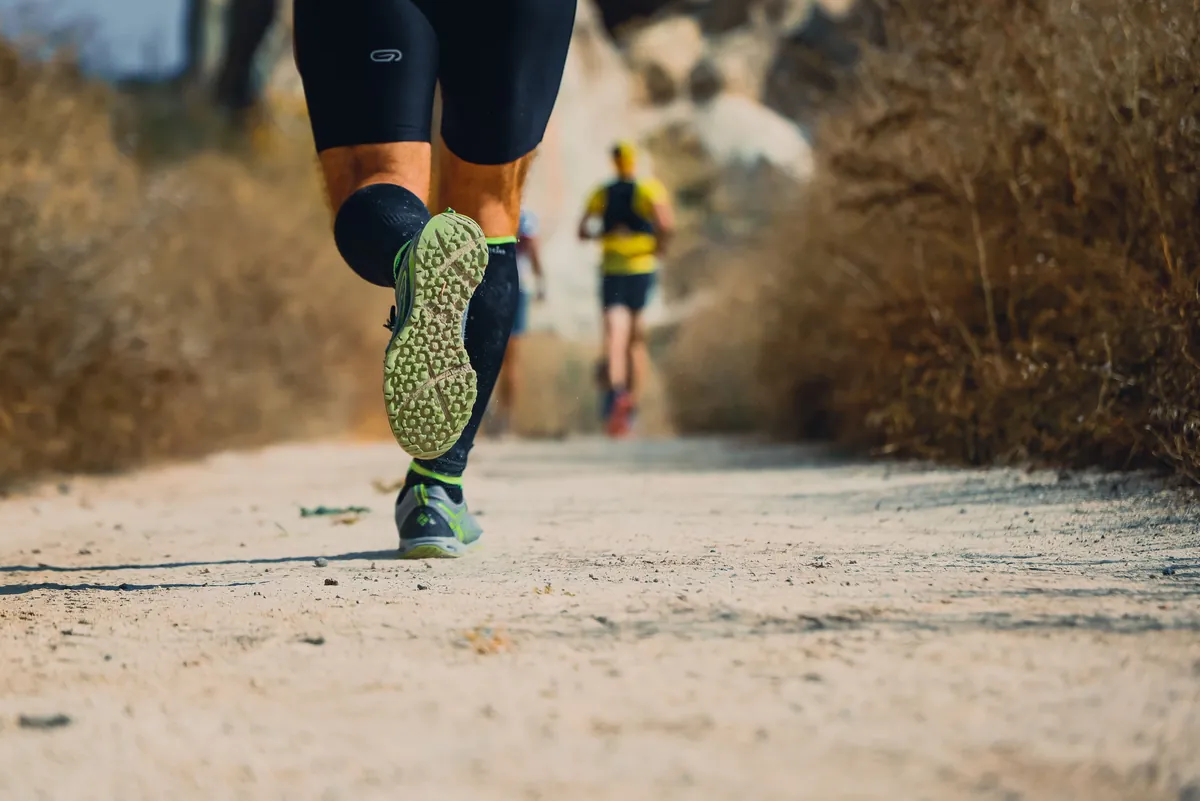
Sports massage in Salt Lake City is for anyone who asks a lot of their body: trail runners in the foothills, road cyclists climbing Emigration and Big Cottonwood, skiers logging vertical at Alta and Snowbird, golfers playing through the season, pickleball and tennis players, climbers, and lifters. At Salt Lake Deep Tissue Massage, sports massage is performed by Timi, a Utah Licensed Massage Therapist (LMT) whose training at the Myotherapy College of Utah focused on sports and rehabilitative massage.
Sports massage isn't one technique. It's a way of organizing a session around your sport, your training load, and where you are in your season. The goal is simple: help you recover between efforts, move well, and keep doing what you love.
What Is Sports Massage?
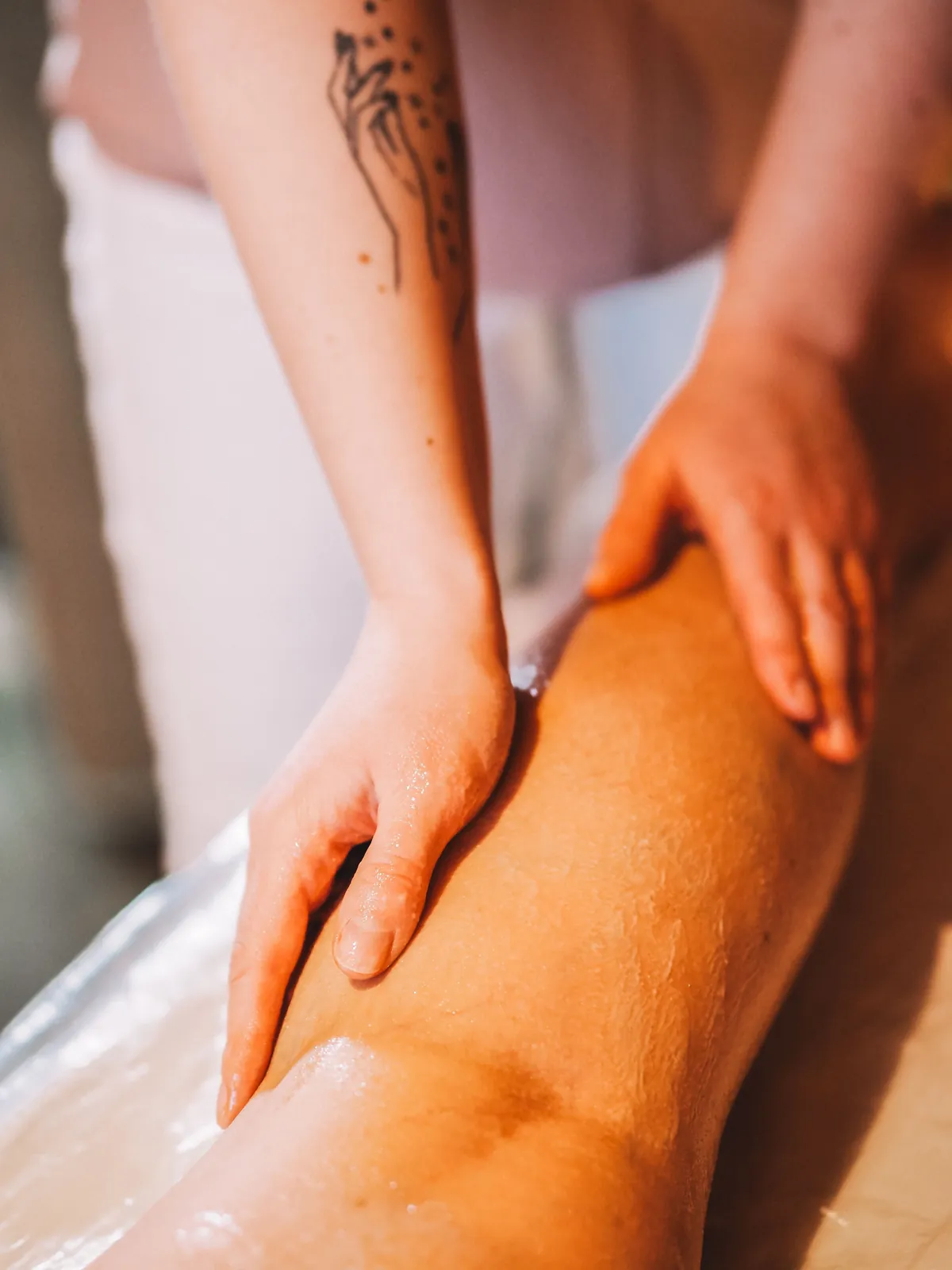
Sports massage combines deep tissue work, targeted compression, myofascial techniques, and active and assisted stretching, all focused on the muscle groups your activity loads the most. A cyclist's session might center on the quads, hip flexors, glutes, and upper back. A golfer's might focus on the hips, lower back, obliques, and shoulders. A runner's might concentrate on the calves, hamstrings, IT band region, and feet.
Timi's sports sessions draw on her training in:
- Deep tissue and sports massage techniques for dense, overworked muscle
- Rehabilitative massage approaches for clients returning to activity
- Myofascial release for restricted connective tissue (learn more)
- Thai-style assisted stretching and Shiatsu-inspired pressure to improve how freely joints move through their range
Types of Sports Massage Sessions
Maintenance sessions
Regular sessions during your training block, typically every two to four weeks, focused on the areas that tend to tighten up. This is where most athletes see the most benefit: consistent work that may help keep small problems from becoming big ones.
Pre-event sessions
A lighter, faster-paced session a few days before a race, tournament, or big ski trip. The focus is on feeling loose and ready, not on deep, intense work that could leave you sore on event day.
Post-event and recovery sessions
Scheduled one to three days after a hard effort. These sessions use moderate pressure and flushing strokes to support recovery. Deep work is saved for once the acute soreness has settled.
Return-to-activity sessions
If you're easing back into your sport after time off, an injury, or surgery, sports massage can be a helpful part of the process, with clearance from your physician or physical therapist. Please share your provider's guidance on your intake form.
Who Sports Massage Is For
- Runners and trail runners training in the foothills, Millcreek Canyon, or on the Bonneville Shoreline Trail
- Cyclists and mountain bikers riding the canyons or the Corner Canyon trail system in Draper
- Skiers and snowboarders who spend the winter in the Cottonwood Canyons or Park City
- Golfers playing Salt Lake's public courses and private clubs (see golf & ski massage)
- Tennis and pickleball players whose shoulders, forearms, and calves take a beating
- Climbers with tight forearms, lats, and upper backs
- Lifters and CrossFit athletes managing heavy training loads
- Masters athletes in their 40s, 50s, 60s and beyond who want to keep competing
You don't need to be an elite competitor. If you train consistently, sports massage is for you.
Potential Benefits of Sports Massage
Massage is not a medical treatment and individual results vary. Athletes commonly use sports massage because it may help:
- Support recovery between hard training sessions
- Relieve muscle tightness and soreness after big efforts
- Improve range of motion and how freely you move
- Reduce the feeling of stiffness that builds up over a season
- Help you notice imbalances, such as one hip tighter than the other, before they affect your performance
- Promote relaxation and better downtime between sessions
Sports massage doesn't replace proper training, rest, nutrition, or medical care for an injury. If you have a new injury with significant swelling, bruising, or pain, see a medical provider before booking.
What to Expect
Book and complete your intake
Send a booking request online and tell us about your sport, your training, any upcoming events, and your injury history. The studio address comes with your booking confirmation.
A focused consultation
Timi asks what you're training for, what's tight, and what's changed recently. She may watch how you move, for example a squat, a reach overhead, or your golf posture, to decide where to focus.
Hands-on work
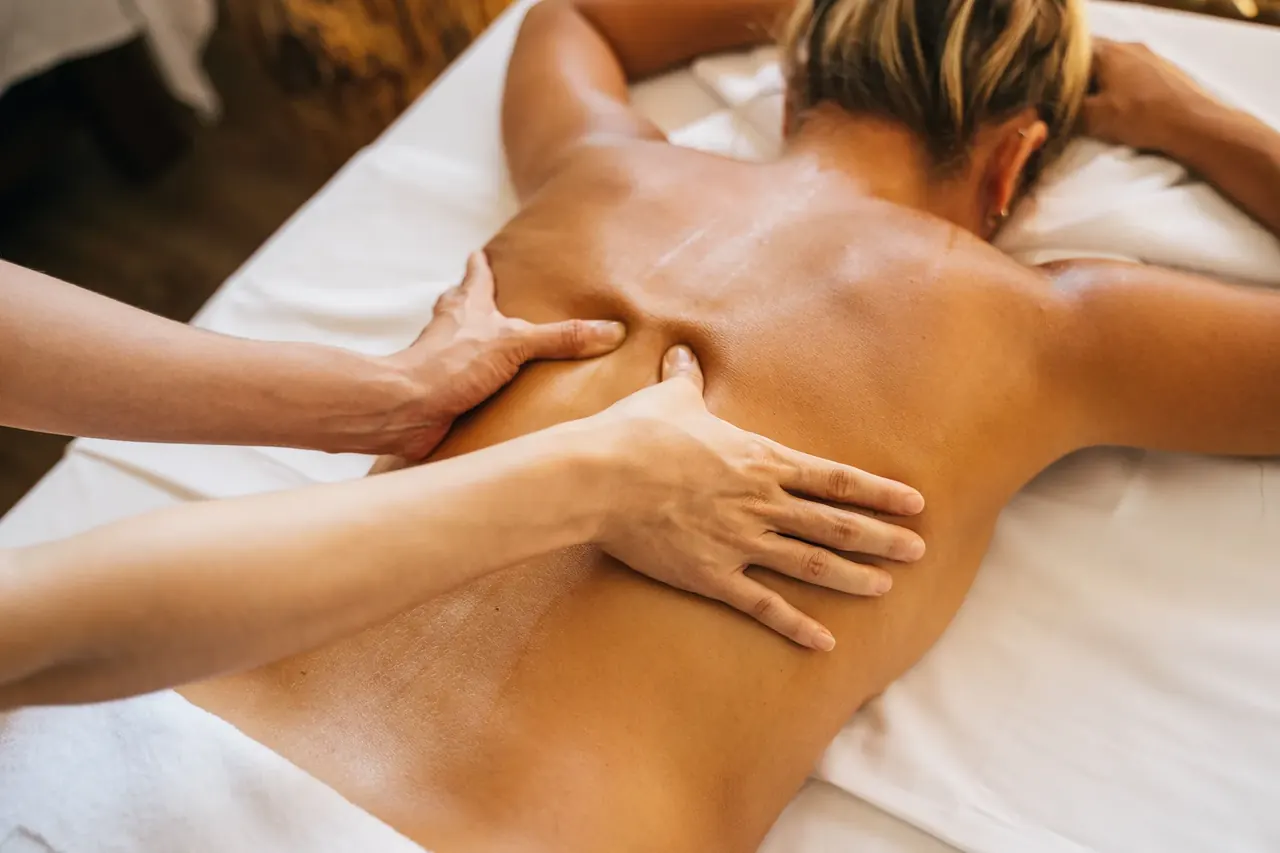
You're professionally draped for table work. Pressure ranges from moderate to deep depending on where you are in your training cycle.
Aftercare
You'll leave with simple suggestions: hydrate, move gently, and avoid a max-effort workout the same day as deep work. Many athletes book their next session before they leave so it lines up with their training plan.
Session Length & Pricing
- 60 minutes ($120): one or two focus areas, pre-event sessions, or maintenance.
- 90 minutes ($180): full-body recovery, multiple problem areas, or combined deep tissue and stretching.
Sports Massage for Salt Lake's Seasons
Salt Lake City athletes don't have one season, they have four. Winter means ski legs and cold, stiff mornings. Spring brings the first long rides and trail runs. Summer is golf, climbing, and races. Fall brings a new mix of hiking, hunting, and pre-ski conditioning. A good sports massage routine follows that rhythm: more maintenance during peak season, lighter pre-event work before key dates, and deeper corrective sessions in the off-season.
Why Athletes Choose Salt Lake Deep Tissue Massage
- Trained in sports and rehabilitative massage at the Myotherapy College of Utah
- Utah-licensed: Licensed Massage Therapist (LMT), licensed by the Utah Division of Professional Licensing (DOPL)
- Firm pressure applied intelligently: deep when it helps, lighter when you're close to an event
- Built for active adults, including masters athletes who want to stay in the game
- Clinical, private, and professional, with online booking requests and a health intake for every new client
Professional Standards
This is a therapeutic, non-sexual practice. Professional draping is used for all table work. Any sexual request, comment, or behavior ends the session immediately, is charged in full, and may be reported to law enforcement. Read the full Professional Boundaries Policy.
Sports Massage FAQ
How is sports massage different from deep tissue massage?
Deep tissue massage focuses on chronic tension with slow, firm pressure. Sports massage is organized around your sport and training schedule and usually includes more stretching and range-of-motion work. Most sessions blend both.
When should I get a sports massage before a race or event?
Book a lighter pre-event session two to four days before your event. Avoid deep, intense work in the last 48 hours so you're not sore on race day.
How soon after a race or big ski day should I book?
One to three days after a hard effort is typical. The first session after a big event uses moderate pressure to support recovery. Deeper work comes once acute soreness settles.
Can sports massage help with an injury?
Massage can't diagnose or treat injuries. If you're recovering from an injury, get guidance from your physician or physical therapist, share it on your intake form, and Timi will work within those guidelines.
Do I need to be an athlete to book sports massage?
No. If you're physically active and want recovery-focused work, sports massage is a good fit, whether you're training for a marathon or just playing a lot of pickleball.
How often should athletes get sports massage?
Many athletes book every two to four weeks during their season, with extra sessions around key events.

Train hard. Recover smarter. Book sports massage in Salt Lake City online. Book Online · Existing clients: (801) 609-6002